
At first glance, white spaces don’t scream ‘warm and cozy’. But they could…

Very often, white rooms in a home look cold and lonely because they haven’t been given the right balance with other furnishings.
While sometimes confused with minimalism, using white as a basis for designing a home isn’t necessarily creating a space that is devoid of things. Rather, it’s setting a canvas against which you can create a space that is exactly what you need. That said, there are some very easy ways to ensure that your white space is a comfy space too.
High Traffic Zones Benefit From White
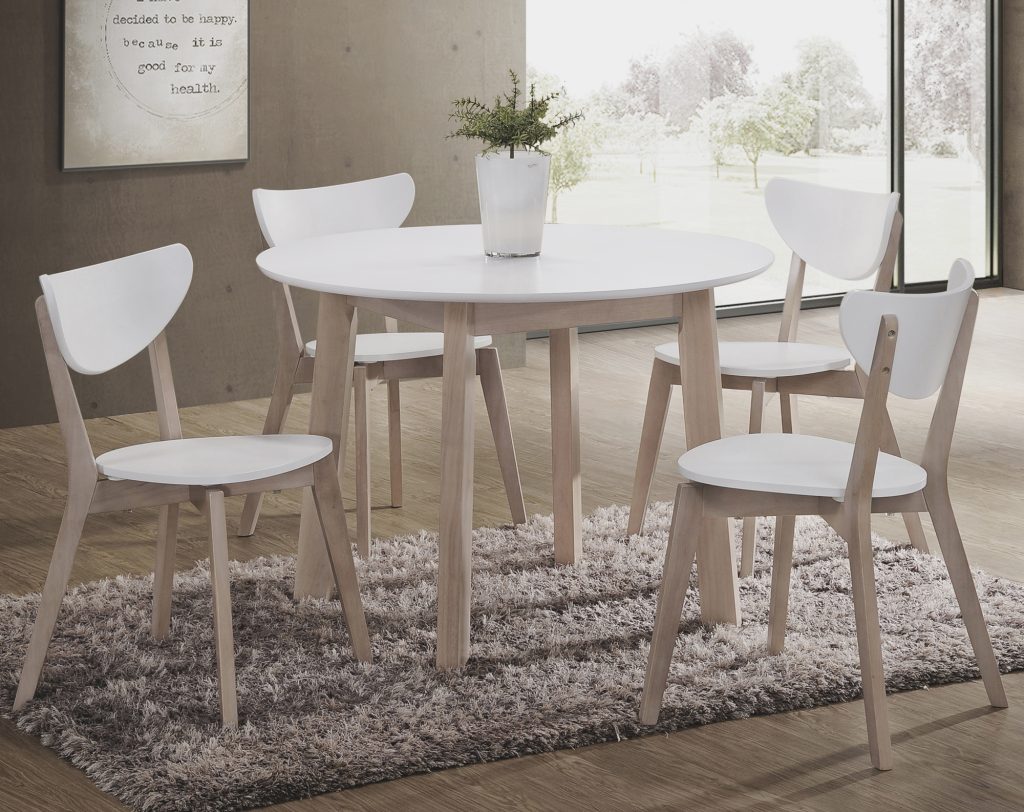
There are certain parts of the house that can benefit from a white or monochromatic touch, specifically high traffic locations. Kitchens spring to mind as the white space makes them feel open and uncrowded, even when full of people. After all, the kitchen is often the meeting place, the space where people congregate to talk, laugh and be merry.
Soothing Can Be Cozy Too
Defining ‘cozy’ also make a difference to how one interprets white space. Tranquility and calm can also feel quite cozy, if that’s your style. An all white bathroom with only subtle color additions in greens, blues and other shades of nature can be just as comforting as a warm blanket and a cup of tea.
Perhaps this seems counterintuitive, but simple furnishings in a white space can sometimes be cozier and more soothing than crazy mix and matched furniture and accents. The latter can be jarring to the eye and create a feeling that is anything but comfortable.
Make It Warm With Details
The devil is in the details, or so the saying goes. But when it comes to white space, the cozy is in the details.
Consider matte metal patinas instead of shiny surfaces, with tones of bronze and copper for warmth. Natural shades of glass and wood lend a traditional look that many of us grew up with, but with a modern twist.
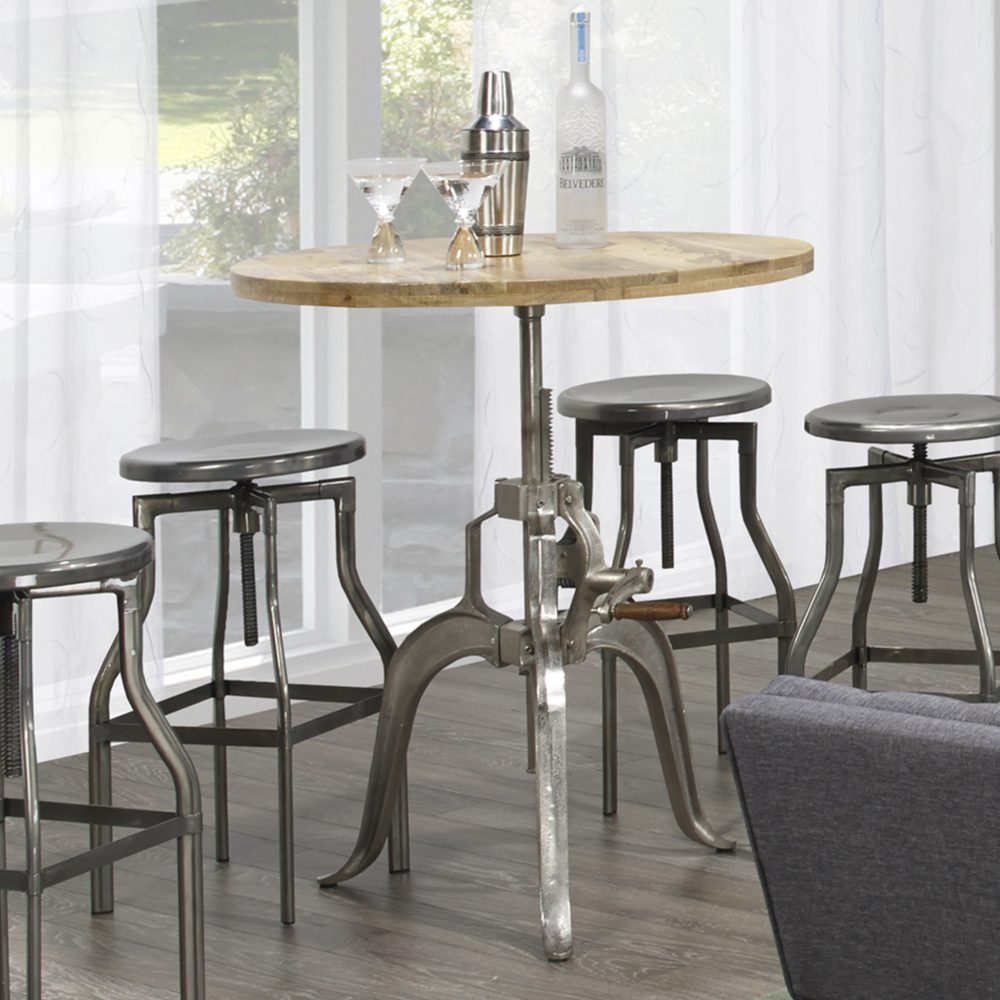
With white space, it’s essential to use natural light as a decor item extensively. In a room that doesn’t have a lot of natural light, it’s possible to gain some by leveraging the strategic positioning of mirrors.
While the idea of adding light will, once again, seem on the surface to be counterintuitive, the reality is that unnatural light can end up making a space look cold and dingy.
Warm the natural light further by adding window coverings in basic shades of beige, rose, peach, or perhaps textured and made with wood slats. The colors of nature always warm up a white space: plants, rocks, raffia baskets… There are so many options.
Texture And Designs Counts
To avoid falling into a sterile look, you also need to add texture and there are a multitude of ways you can achieve that:
- Soft and sinkable armchairs with luxurious tufting
- Faux fur and fuzzy throws with bulk
- Natural wood flooring and warm wood furniture for a rustic look or a slightly more ‘modern’ style, with light wood
- Florals in draperies and other accents like pillows and rugs
- Textured walls or backsplashes to draw the eye
- Fun patterns on floor tiles or on textured rugs

If you are fitting existing furnishings in with a new white space, consider mixing modern with vintage. Too much modern can be ascetic, taking the white space into stark minimalism. Find a happy medium to create a warm and friendly space.
Do you use white in your home? How do you warm it up so that the space is inviting and appealing?